
From this month’s first Zen maxim in Japanese site of Rinzai-Obaku Zen.
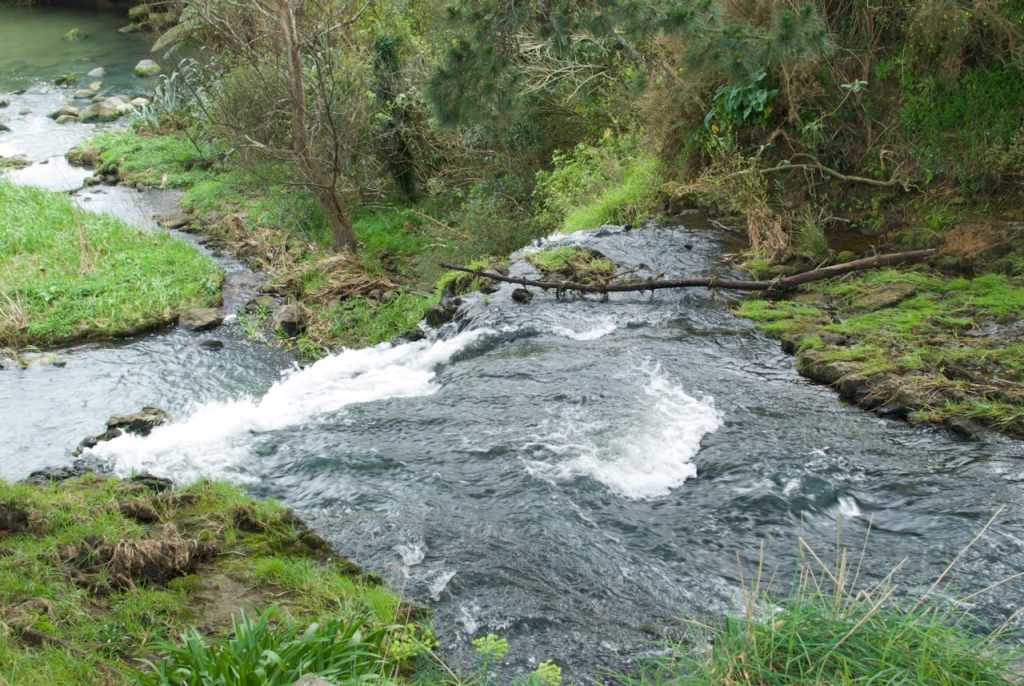
Even when only a broken bridge remains, it grants the strength to cross the water; even in darkness without moonlight, it reveals the path home to the village.
In an age where personal freedom and individual rights are loudly asserted, the atmosphere has begun to shift.
We now hear whispers of “excessive freedom” and “overextended rights,” spoken as if they were undeniable truths.
Yet this may be what is called an escape from freedom. When nothing is imposed upon us, we must discover for ourselves the means and direction in which to proceed. Are we becoming fearful of that responsibility?
扶過断橋水 伴帰無月村(たすけてはだんきょうのみずをすぎ、ともなってはむげつのむらにかえる)
臨黄ネットの今月の最初の禅語から。
壊れた橋しかなくても水を渡る力を与え、月明かりがない暗闇の中でも村への帰路を示すもの。
個人の自由と権利の尊重が当たり前に主張されるようになって久しいですが、近頃その雲行きが少し怪しくなっています。
「行きすぎた自由」や「過剰な権利」という言葉が、もっともらしく囁かれるようになりました。しかし、それはいわゆる「自由からの逃走」と呼ばれるものではないでしょうか。
何かを強制されない時、進むべき手段や方向は自ら見出さねばなりません。そのことに臆病になってはいないでしょうか。
Ahakoa he piriti pakaru anake kei reira, ahakoa te pō kāore he marama
Hei tā te kōrero tuatahi o te marama i te wāhanga Hapani o te Rinzai-Obaku Zen.
Ahakoa he piriti pakaru anake kei reira, ka hoatu tonu te kaha ki te whakawhiti i te wai; ahakoa te pō kāore he marama, ka whakaatu tonu i te ara hoki ki te kāinga.
Kua roa te ao e kōrero nui ana mō te herekore me ngā motika o te tangata, engari ināianei kua tīmata te āhua o te rangi ki te rerekē.
Kei te rangona ngā kōrero mō te “herekore nui rawa” me ngā “motika whānui rawa,” ā, ka rangona pēnei he kōrero pono. Heoi, tērā pea he momo rerenga tēnei i te herekore.
Ina kore he whakahau, me kimi ake tātou i ngā ara me ngā tikanga e tika ana mā tātou. Kei te mataku rānei tātou i taua kawenga?