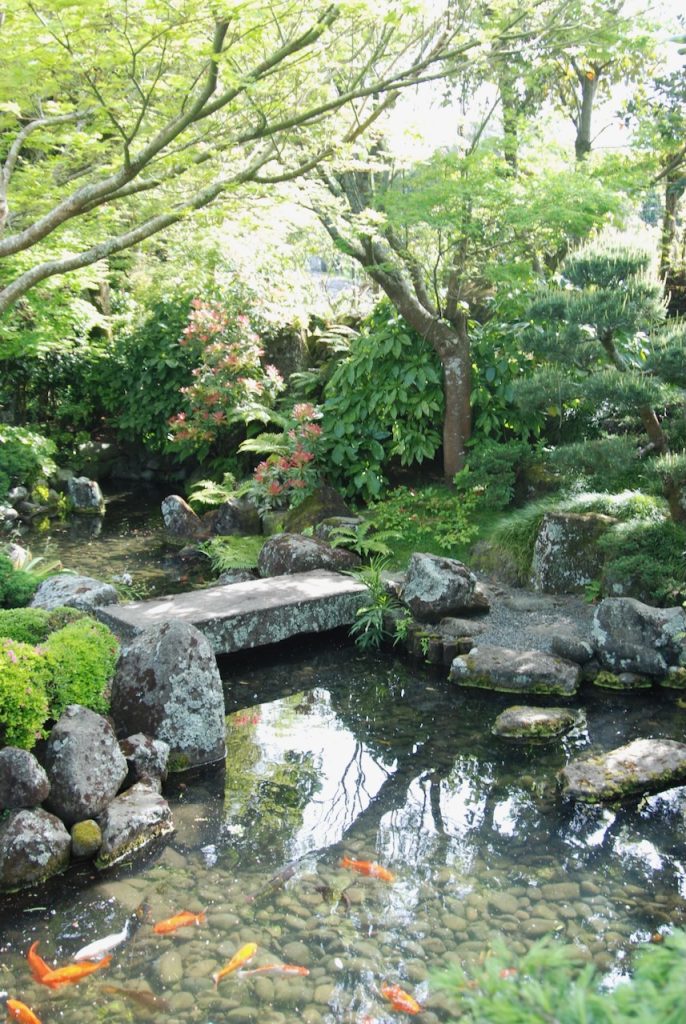
A fish chasing a moonlit reflection through clear water

From this month’s second Zen maxim in Japanese site of Rinzai-Obaku Zen.

In the clear sea, no reflection of the moon can be found, and the fish searching for it has nowhere to go.

Recent research in neuroscience suggests that there may not be a particular place in the brain that serves as the home of the self. If so, our search for where the self resides may have nowhere to lead us either.

We often look for our “true self,” but perhaps this is a little like a fish chasing a moonlit reflection through clear water. The problem may not be that we are looking in the wrong place. It may be that the self was never something located in a single place to begin with.

海月澄無影 遊魚独自迷 (かいげつすんでかげなく、ゆうぎょひとりみずからまよう)

臨黄ネットの今月のふたつ目の禅語から。

澄んだ海に月の影は落ちず、月を求める魚の行く当てがない。

最近の脳科学の研究では、どうも脳の特定の場所に自我を司る場所があるわけではないことが分かってきたそうです。これでは自我のありかを求める心の行く当ても見つかりそうにありませんね。

私たちは「本当の自分」を探し求めますが、ひょっとすると魚が澄んだ海で月影を追いかけるようなものなのかもしれません。見つからないのは探し方が悪いからではなく、もともとどこか一か所にあるものではないのかもしれませんね。

Te ika e whai ana i te atarangi o te marama i roto i te wai tino mā

Hei tā te kōrero tuarua o te marama i te wāhanga Hapani o te Rinzai-Obaku Zen.

I te moana mā, kāore he atarangi o te marama e kitea ana, ā, kāore he wāhi e tae atu ai te ika e rapu ana i taua atarangi.

E ai ki ētahi rangahau hou mō te roro, kāore pea he wāhi motuhake e noho ai te whaiaro. Ki te pērā, tērā pea kāore hoki he ūnga mō tō tātou rapunga i te wāhi e noho ai te “ahau”.

He maha ngā wā ka rapu tātou i tō tātou tino whaiaro. Tērā pea he rite tēnei ki te ika e whai ana i te atarangi o te marama i roto i te wai tino mā. Kāore pea te raruraru i te hē o te wāhi e rapu nei tātou. Engari, tērā pea kāore te whaiaro i tū hei mea e noho ana ki tētahi wāhi kotahi mai anō.
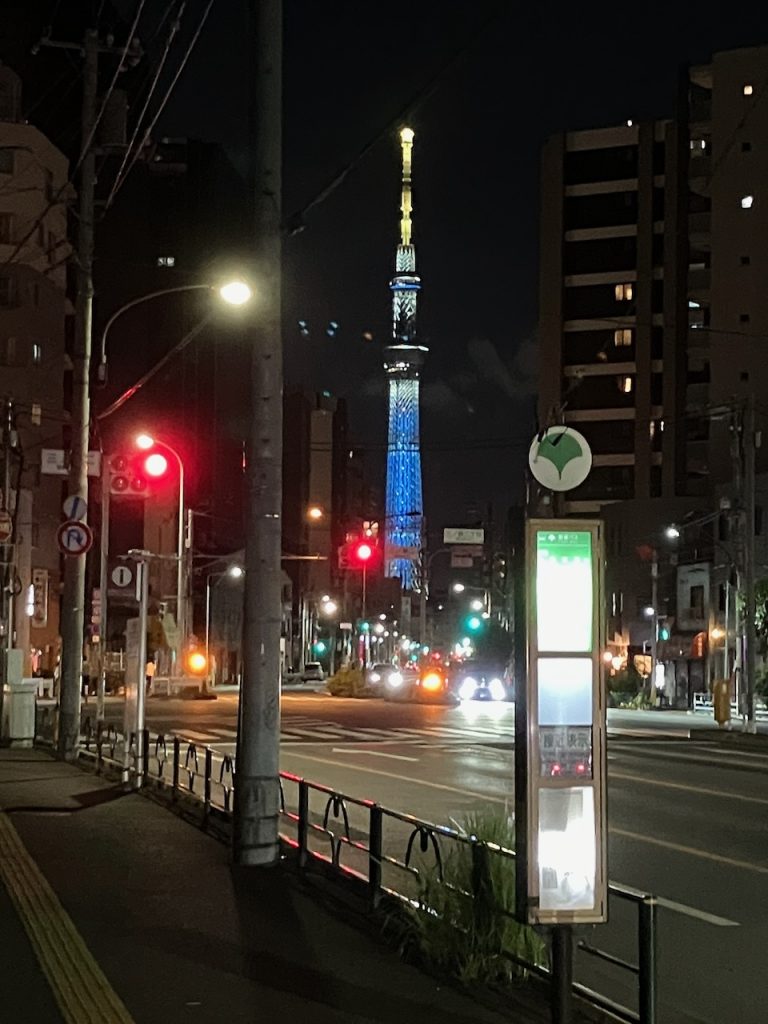
For the one left behind, the autumn night seems endlessly long

From this month’s first Zen maxim in Japanese site of Rinzai-Obaku Zen.

No word now comes from beyond the distant river;
for the one left behind, the autumn night seems endlessly long.

The phrase evokes the sorrow of hearing no more from someone who has crossed the river into a distant land, leaving those behind to feel the long autumn nights all the more keenly.

In an age when we can reach one another instantly from almost anywhere on Earth, has such sentiment disappeared? Perhaps not. If anything, the quiet ache of waiting for a reply after seeing only a “read” notification remains with us, merely taking on a different form.

Before blaming another for their silence, it may be worth asking why we wait so eagerly for their message. When we realise how large a place that person occupies within our heart, even the long nights of autumn may begin to appear in a different light.

白狼河北音書断 丹鳳城南秋夜長(はくろうがのきたいんしょたえ、たんぼうじょうのみんなみしゅうやながし)

臨黄ネットの今月の最初の禅語から。

異郷の川の向こうへ去った人からの便りが絶え、残された身には秋の夜長がひとしお切なく感じられる。地球のどこにいても瞬時に連絡が取れる現代、このような情緒は失われたのでしょうか。

むしろ、既読の印だけが残り、返事を待ち続ける切なさは、形を変えて今も私たちの傍らにあります。相手の無沙汰を責める前に、なぜその便りをこれほど待っているのかを見つめてみる。その人が自分の心の中でどれほど大きな存在になっているのかに気づくとき、長い秋の夜もまた違って見えてくるのかもしれません。

Ki te tangata kua mahue mai, he tino roa ngā pō o te ngahuru

Hei tā te kōrero tuatahi o te marama i te wāhanga Hapani o te Rinzai-Obaku Zen.

Kāore he karere e tae mai i tua o te awa tawhiti;
ki te tangata kua mahue mai, he tino roa ngā pō o te ngahuru.

Ka whakaatu tēnei kōrero i te pōuri o te tangata kua kore e tae mai he karere nō tētahi kua wehe atu ki tua o te awa, ki whenua kē, ā, ka roa rawa ngā pō o te ngahuru ki te hunga kua mahue mai.

I ēnei rā, ahakoa kei hea tātou i te ao, ka taea te whakapā atu i taua wā tonu. Nō reira, kua ngaro rānei tēnei momo kare ā-roto? Tērā pea kāore. Engari kē, kei te mau tonu te mamae ngū o te tatari whakautu i muri i te tohu kua pānuitia te karere, ahakoa kua rerekē tōna āhua.

I mua i te whakahē i te noho puku o tētahi atu, tērā pea me whakaaro ake tātou he aha i tino tatari ai tātou ki tana karere. Ka mōhio ana tātou ki te nui o tōna wāhi i roto i te ngākau, ka rerekē pea te āhua e titiro ai tātou ki ngā pō roa o te ngahuru.