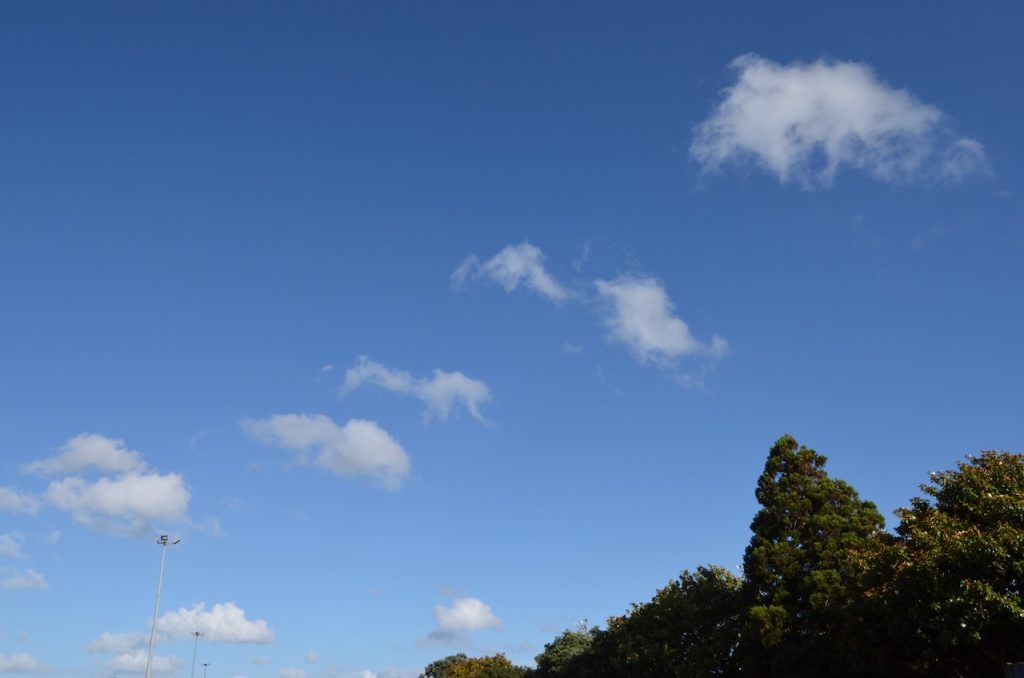
Heaven says nothing, yet the seasons turn and all things are born

From this month’s second Zen maxim in Japanese site of Rinzai-Obaku Zen.

Many people feel unable to act freely because they worry about how they appear to others. Yet what is this “public opinion” we fear. It seems to have a will or personality of its own, as if it were a single person giving us orders. But in truth, such a will does not exist.

There is a Zen phrase: “Heaven says nothing, yet the seasons turn and all things are born.”

The world moves without commentary, without judgment, without a voice telling us what to do. Just as the sky remains silent while life unfolds, the “voice of society” is only something our minds create. When we stop listening to that imagined voice, we can finally return to our own natural rhythm.

天何言哉 四時行焉 百物生焉 (てんなにをかいわんや、しじおこなわれ、ひゃくぶつしょうず)

臨黄ネットの今月のふたつ目の禅語から。

世間体が気になって、思うように行動できないと感じる人は少なくありません。けれど、その「世間」とは一体何でしょうか。まるで一つの人格を持ち、あれこれ指図してくる存在のように感じるかもしれません。しかし実際には、そんな意思や人格はどこにもありません。

「天何言哉 四時行焉 百物生焉」という禅語があります。

天は何も語らないのに、四季は巡り、万物は生まれ育つ。つまり、世界は評価も指示もなく、ただ自然に働いているのです。世間の“声”もまた、私たちが作り出した幻にすぎません。その幻を離れたとき、自分自身の季節がようやく動き始めます。

Kāore te rangi e kōrero, engari ka huri tonu ngā kaupeka, ka tupu tonu ngā mea katoa

Hei tā te kōrero tuarua o te marama i te wāhanga Hapani o te Rinzai-Obaku Zen.

He tokomaha ka taupatupatu i roto i a rātou anō nā te māharahara ki ngā whakaaro o te ao. Engari, he aha rā tēnei mea ka kīia ko te “whakaaro o te iwi”. He rite ki tētahi tangata kotahi e whakahau ana i a tātou, ahakoa kāore he tino tangata pēnei e tū ana.

He kōrero Zen e mea ana: “Kāore te rangi e kōrero, engari ka huri tonu ngā kaupeka, ka tupu tonu ngā mea katoa.”

Ka neke te ao me te kore kōrero, me te kore whakatau, me te kore reo e tohu ana i te ara tika. Pērā i te rangi puku e tuku ana kia rere noa te ao, he mea hanga noa iho te “reo o te ao” e tō tātou hinengaro. Ina waiho taua reo rūpahu, ka hoki anō tātou ki tō tātou ake kaupeka māori.
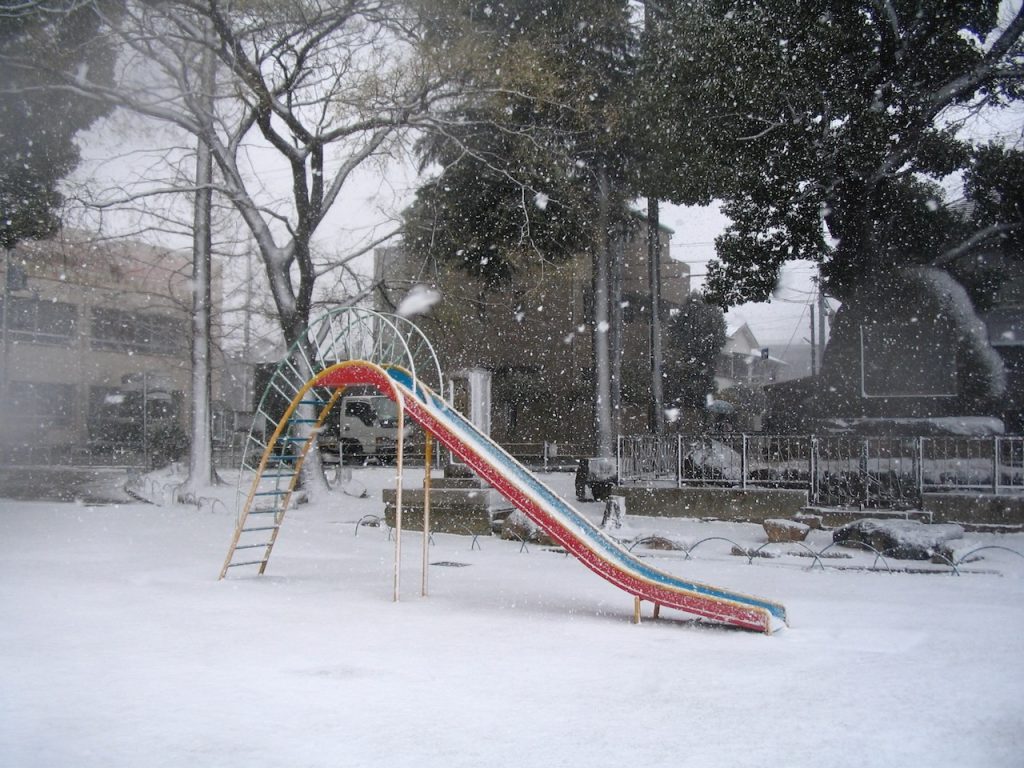
When cold, be thoroughly cold; when hot, be thoroughly hot

From this month’s first Zen maxim in Japanese site of Rinzai-Obaku Zen.

Cold when it is cold, warm when it is warm — the Zen phrase “When cold, be thoroughly cold; when hot, be thoroughly hot” teaches us to stop resisting and to entrust ourselves to each moment as it is.

In the age of social media, anyone can send their thoughts out into the vast world.

Yet sometimes the words we share with confidence reach no one at all, while a casual remark can spark an unexpected blaze.

The “cold” and “heat” of reactions arrive regardless of our intentions.
As the old sayings go, fair winds come to those who wait, and rumors fade with time.

And so, when it is cold, we stand in the cold; when it is hot, we stand in the heat.
Perhaps simply remaining natural and unforced is the wisest way to live.

寒時寒殺闍黎 熱時熱殺闍黎(かんじはじゃりをかんさつし、ねつじはじゃりをねっさつす)

臨黄ネットの今月の最初の禅語から。

寒ければ寒いまま、温かければ温かいまま──禅語「寒時寒殺闍黎 熱時熱殺闍黎」は、状況に逆らわず、その瞬間に身を委ねる心を教えてくれます。

SNS の時代になり、誰もが広い世界に向けて自分の想いを発信できるようになりました。けれど、自信を持って投稿した言葉がまったく届かないこともあれば、軽い気持ちで放った一言が思わぬ炎を呼ぶこともあります。

反応の“寒”と“熱”は、私たちの思惑とは無関係に訪れます。

待てば海路の日和あり、人の噂も七十五日。

だからこそ、寒ければ寒さの中に立ち、熱ければ熱の中に立つ。ただ自然体でいるのが良いのかもしれません。

Ina mātao, kia tino mātao; ina wera, kia tino wera

Hei tā te kōrero tuatahi o te marama i te wāhanga Hapani o te Rinzai-Obaku Zen.

Mātao ana te wā he mātao, wera ana te wā he wera — e ako ana te kōrero Zen “Ina mātao, kia tino mātao; ina wera, kia tino wera” kia kaua e whakahē i te āhuatanga, engari kia tukua te wairua kia noho ki taua wā tonu.

I tēnei ao pāpāho pāpori, ka taea e te tangata te tuku whakaaro ki te ao whānui.
Heoi anō, i ētahi wā kāore he urupare ki ngā kupu i whakapono nui ai tātou, ā, i ētahi atu wā ka mura te ahi i tētahi kōrero māmā noa.

Ka tae mai te “mātao” me te “wera” o ngā urupare, ahakoa ō tātou whakaaro.
E ai ki ngā kōrero tuku iho, ka pai te hau mō te hunga manawanui, ā, ka memeha haere ngā kōrero i te wā.

Nō reira, ina mātao, me tū ki te mātao; ina wera, me tū ki te wera.
Tērā pea ko te noho māori noa te ara pai rawa atu mō te tangata.