
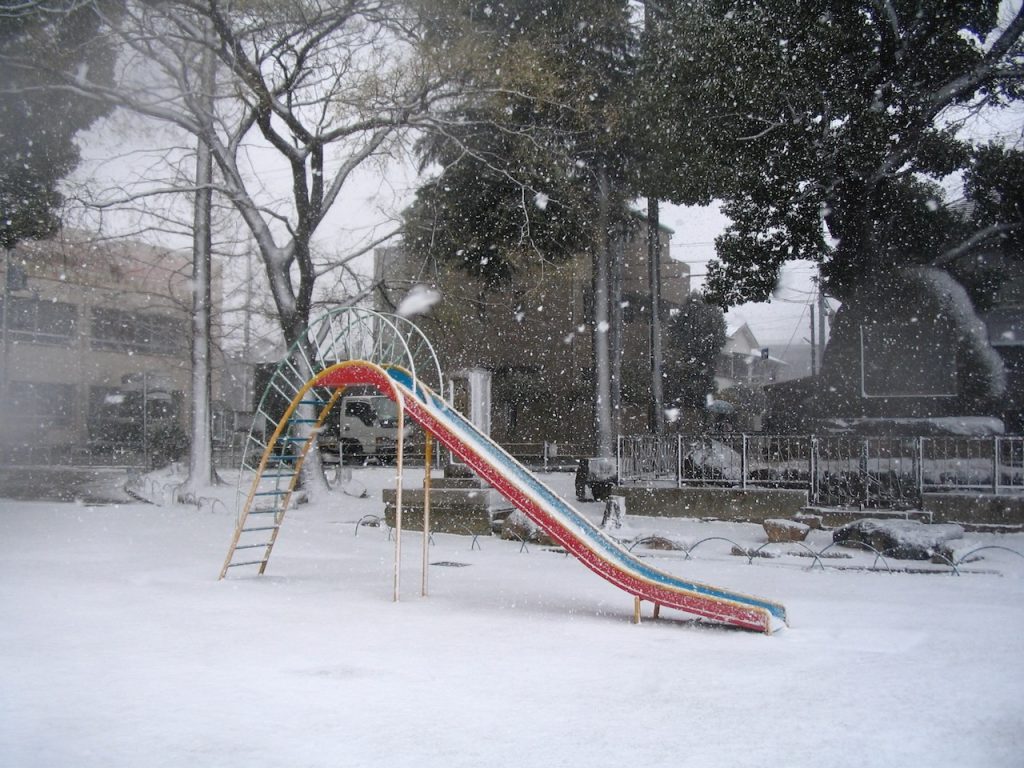
From this month’s first Zen maxim in Japanese site of Rinzai-Obaku Zen.
Cold when it is cold, warm when it is warm — the Zen phrase “When cold, be thoroughly cold; when hot, be thoroughly hot” teaches us to stop resisting and to entrust ourselves to each moment as it is.
In the age of social media, anyone can send their thoughts out into the vast world.
Yet sometimes the words we share with confidence reach no one at all, while a casual remark can spark an unexpected blaze.
The “cold” and “heat” of reactions arrive regardless of our intentions.
As the old sayings go, fair winds come to those who wait, and rumors fade with time.
And so, when it is cold, we stand in the cold; when it is hot, we stand in the heat.
Perhaps simply remaining natural and unforced is the wisest way to live.
寒時寒殺闍黎 熱時熱殺闍黎(かんじはじゃりをかんさつし、ねつじはじゃりをねっさつす)
臨黄ネットの今月の最初の禅語から。
寒ければ寒いまま、温かければ温かいまま──禅語「寒時寒殺闍黎 熱時熱殺闍黎」は、状況に逆らわず、その瞬間に身を委ねる心を教えてくれます。
SNS の時代になり、誰もが広い世界に向けて自分の想いを発信できるようになりました。けれど、自信を持って投稿した言葉がまったく届かないこともあれば、軽い気持ちで放った一言が思わぬ炎を呼ぶこともあります。
反応の“寒”と“熱”は、私たちの思惑とは無関係に訪れます。
待てば海路の日和あり、人の噂も七十五日。
だからこそ、寒ければ寒さの中に立ち、熱ければ熱の中に立つ。ただ自然体でいるのが良いのかもしれません。
Ina mātao, kia tino mātao; ina wera, kia tino wera
Hei tā te kōrero tuatahi o te marama i te wāhanga Hapani o te Rinzai-Obaku Zen.
Mātao ana te wā he mātao, wera ana te wā he wera — e ako ana te kōrero Zen “Ina mātao, kia tino mātao; ina wera, kia tino wera” kia kaua e whakahē i te āhuatanga, engari kia tukua te wairua kia noho ki taua wā tonu.
I tēnei ao pāpāho pāpori, ka taea e te tangata te tuku whakaaro ki te ao whānui.
Heoi anō, i ētahi wā kāore he urupare ki ngā kupu i whakapono nui ai tātou, ā, i ētahi atu wā ka mura te ahi i tētahi kōrero māmā noa.
Ka tae mai te “mātao” me te “wera” o ngā urupare, ahakoa ō tātou whakaaro.
E ai ki ngā kōrero tuku iho, ka pai te hau mō te hunga manawanui, ā, ka memeha haere ngā kōrero i te wā.
Nō reira, ina mātao, me tū ki te mātao; ina wera, me tū ki te wera.
Tērā pea ko te noho māori noa te ara pai rawa atu mō te tangata.