True strength stands alone, without boasting

From this month’s second Zen maxim in Japanese site of Rinzai-Obaku Zen.

The Zen phrase “Lǐn lǐn gū fēng bù zì kuā, duān jū huán hǎi dìng lóng shé” teaches that true strength stands alone, without boasting.

Even amid the vast sea of the world, one who sits firmly in their place brings calm to chaos.

In the swirl of social media, where truth and illusion mingle, step back from the race for impressions.

Sharpen your eyes and ears to discern what is genuine.

The key lies in abandoning vanity, clarifying your purpose, and sitting squarely within your own domain.

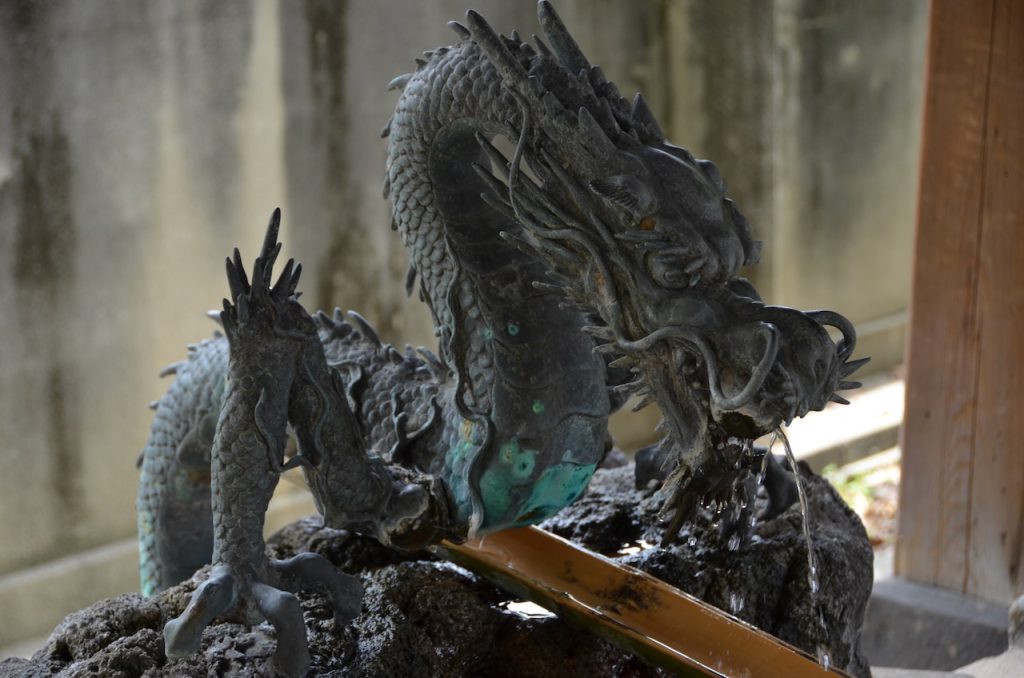
Like the dragon that guards the water—silent, resolute, and unshaken—your quiet presence itself becomes power.

凛凛孤風不自誇 端居寰海定龍蛇 (りんりんたるこふうみずからほこらず、かんかいにたんごしてりゅうだをさだむ)

臨黄ネットの今月のふたつ目の禅語から。

禅語「凛凛孤風不自誇 端居寰海定龍蛇」は、真に力ある者は孤高にして誇らず、

広大な世界の中で静かに座し、混乱を鎮める存在であることを教えています。

虚実入り混じった情報が飛び交うSNSの中で、インプレッション競争から距離を置き、真贋を見分ける耳目を磨いてみましょう。

その秘訣は、虚栄心を捨て、自分の使命を明らかにし、自分の領分にどっかと座り込むこと。

水を守る龍のように、静かに、誇らず、揺らがず。その静けさこそが、真の力となります。

Kia tū te kaha tūturu i te puku, kāore e whakapehapeha

Hei tā te kōrero tuarua o te marama i te wāhanga Hapani o te Rinzai-Obaku Zen.

Ko te kōrero Zen “Lǐn lǐn gū fēng bù zì kuā, duān jū huán hǎi dìng lóng shé” e ako ana kia tū te kaha tūturu i te puku, kāore e whakapehapeha.

Ahakoa te ao nui e huri ana, mā te noho marino ka tau te rangimārie.

I roto i te ao pāpāho pāpori e rere ana te pono me te rūpahu, me hoki whakamuri i te whakataetae mō te aro. Whakamāhia ō karu me ō taringa kia mōhio ai koe ki te mea tika.

Ko te māramatanga kei te whakarerea o te whakapehapeha, te mārama o tō kaupapa, me te noho pūmau ki tō ake wāhi.

Pērā i te tarakona e tiaki ana i te wai — he puku, he ū, he tau — ko tō marino anake te kaha pono.
Even after a hundred battles in the yellow sands and armour pierced by arrows

From this month’s first Zen maxim in Japanese site of Rinzai-Obaku Zen.

The Zen phrase “Huangsha baizhan jinjia chuan, bu po Loulan zhong bu huan” comes from a Tang‑dynasty poem.

It speaks of a warrior who, even after a hundred battles in the yellow sands and armour pierced by arrows, refuses to return home until the mission is fulfilled.

It is a declaration of unwavering resolve — a vow not to retreat before reaching the true goal.

Dispelling delusion is much like debugging a program. No matter how precisely we write, flaws inevitably hide within. And it is never easy to admit that the strange behavior was caused by our own code.

To uncover and correct a bug in a complex system, we need the same fierce determination as the warrior who will not turn back until Loulan is broken.

So it is with life: only by confronting our own missteps with persistence
do we move toward clarity beyond confusion.

黄沙百戦穿金甲 不破楼蘭終不還(こうさひゃくせんきんこうをうがつ、ろうらんやぶらずんばついにかえらじ)

臨黄ネットの今月の最初の禅語から。

禅語「黄沙百戦穿金甲 不破楼蘭終不還」は、唐詩『出塞』に由来します。

幾度も砂塵の戦場に立ち、鎧が矢に貫かれても、楼蘭を破るまでは決して帰らない──そんな揺るぎない覚悟を示す言葉です。

煩悩や無明を払うのは、まるでプログラムのデバッグのようです。

どれほど正確に書いたつもりでも、不具合は必ず潜んでいます。そして、その不可解な動作を「自分が書いた」と認めるのは難しい。複雑なプログラムのバグを突き止めるには、何としても修正するという執念が必要です。

人生のバグ取りも同じで、自分の中の誤作動を見つけ、向き合い、修正しようとする心こそが「黄沙百戦穿金甲」の精神なのです。

その覚悟が、混迷を超えて清明へと導いてくれます。

Kua whawhai i ngā pakanga rau i te one kōwhai, kua werohia tōna patu koura

Hei tā te kōrero tuatahi o te marama i te wāhanga Hapani o te Rinzai-Obaku Zen.

Ko te kōrero Zen “Huangsha baizhan jinjia chuan, bu po Loulan zhong bu huan” e kōrero ana mō te toa kua whawhai i ngā pakanga rau i te one kōwhai,
kua werohia tōna patu koura, engari kāore ia e hoki ki te kāinga kia tutuki rā anō te whāinga.

He kupu mō te ūmanga kore e whakangāwari — he oati kia kaua e hoki whakamuri.

He rite te whakakore i te pōuri ki te whakatikatika hōtaka.

Ahakoa te tika o te tuhituhi, ka noho puku tonu ngā hapa. He uaua te whakaae nā tātou ake i puta ai ngā mahi rerekē. Hei kimi, hei whakatika i ngā hapa o tētahi pūnaha matatini, me whai i te manawanui o te toa e kore e hoki kia pakaru rā anō a Loulan.

Waihoki i te ao: mā te ū ki te whakatika i ā tātou hē, ka anga whakamua ki te māramatanga i tua atu i te rangirua.