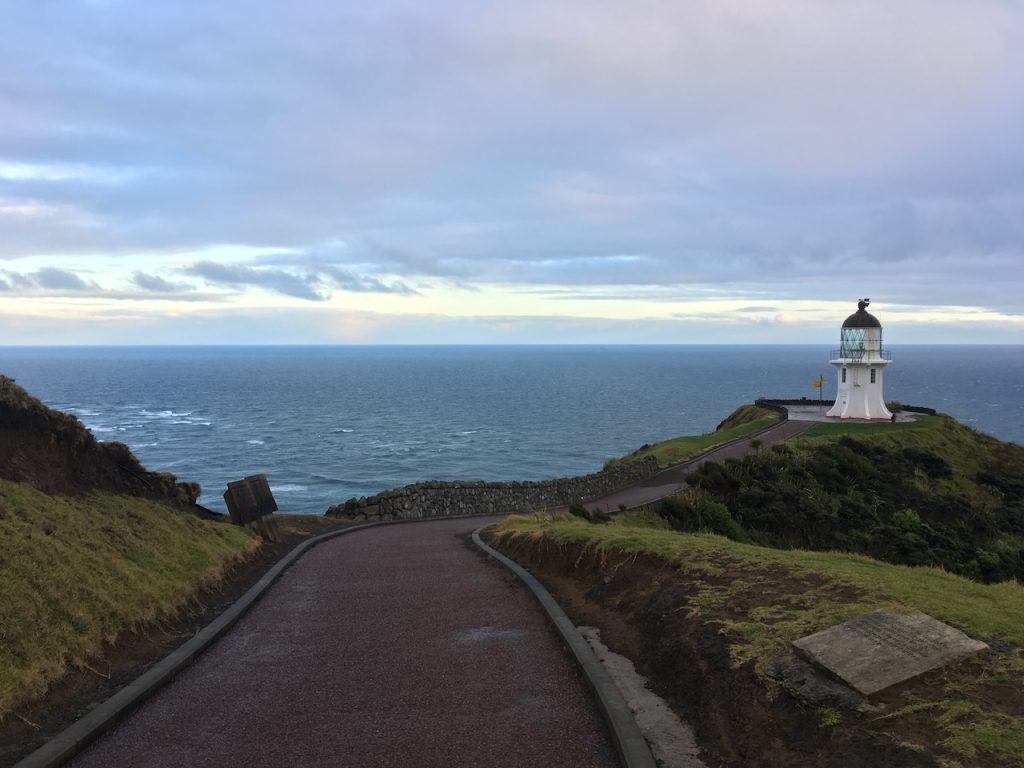
Nothing at all—yet inexhaustible; flowers, the moon, and towers abound

From this month’s second Zen maxim in Japanese site of Rinzai-Obaku Zen.

People desire many things, yet perhaps the deepest wish is for a happy future.
But we cannot shape the future exactly as we wish.

Each time we picture the future, if it does not unfold as imagined, disappointment and dissatisfaction arise.

And yet, if we can fully taste the very act of imagining the future,
we may find that within it already lies an inexhaustible richness.

無一物中無尽蔵 有花有月有楼台 (むいちもつちゅうむじんぞう はなありつきおありろうだいあり)

臨黄ネットの今月のふたつ目の禅語から。

人はさまざまなものを望みますが、いちばんの望みは幸せな未来かもしれません。
しかし人は未来を自分の思い通りにすることはできません。

未来に何かを思い描くたびに、それが思い通りにならなければ、失望や不満が生まれます。

けれども、未来を思い描くことができるという、そのはたらきそのものを味わうことができれば、
そこにはすでに尽きることのない豊かさがあると言えるのかもしれません。

Kāore he mea—he puna kāore e mimiti; he putiputi, he marama, he whare teitei kei reira

Hei tā te kōrero tuarua o te marama i te wāhanga Hapani o te Rinzai-Obaku Zen.

He nui ngā mea e hiahia ana te tangata, engari tērā pea ko te hiahia nui rawa ko tētahi āpōpō harikoa.
Heoi anō, kāore e taea e te tangata te whakatakoto i te āpōpō kia rite ki tōna hiahia.

Ia wā ka whakaarohia te āpōpō, mēnā kāore e tutuki pēnei i te whakaaro, ka puta te pōuri me te kore e rata.

Engari, mēnā ka āhei tātou ki te tino rongo i taua āheinga—te whakaaro ki te āpōpō—
tērā pea ka kitea, kei roto kē i reira tētahi mātauranga nui, kāore e mimiti.
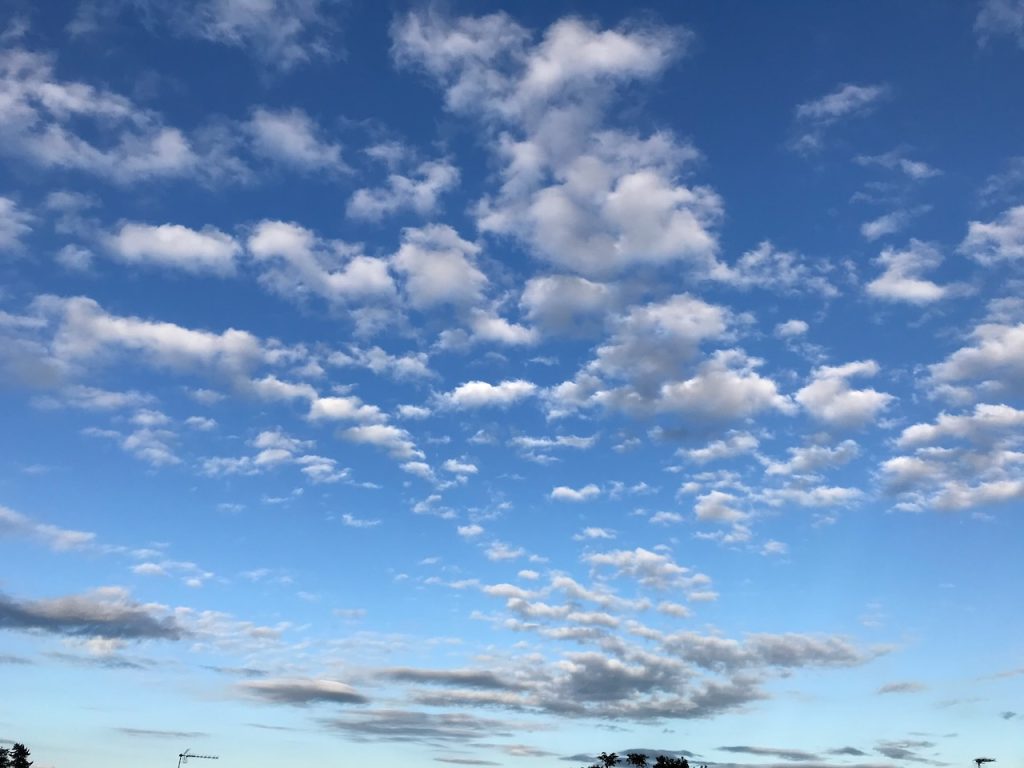
A mote in the eye—flowers fall in the empty sky

From this month’s first Zen maxim in Japanese site of Rinzai-Obaku Zen.

There are what we might call existential questions.
Why do people live? Why can people not stop fighting?

Even if we ask such questions to a renowned teacher, a well-regarded book, or even an AI said to become wiser than humans, no matter how convincing the answers may sound, we may understand them with our minds, yet rarely do they settle deeply within our hearts.

In truth, questions like these have no final answers that others can give us.
We can only clear the dust from the eye of our own mind and come to our own understanding.

Yet even so—
why did we ask that question in the first place?

一翳在眼空華乱墜(いちえいまなこにあればくうげらんついす)

臨黄ネットの今月の最初の禅語から。

実存的問いというものがあります。
人はなぜ生きるのか。人はなぜ争いをやめられないのか。

こうした問いを、高名な師や評判の書物、さらには人間より賢くなると言われる AI に尋ねてみても、どんなにもっともらしい答えを示されても、頭では分かったようでいて、心の奥まで腑に落ちることはなかなかありません。

実はこのような問いには、他人が与えてくれる最終的な答えはありません。
自分自身の心の眼の塵を払い、自分自身で得心するしかないのです。

しかし、そもそも——
なぜ自分はその問いを問うたのでしょうか。

He puehu i te whatu—ka marara iho ngā putiputi i te rangi kau

Hei tā te kōrero tuatahi o te marama i te wāhanga Hapani o te Rinzai-Obaku Zen.

He pātai ā-tūtanga ētahi.
He aha te take e ora ai te tangata? He aha hoki te take e kore ai te tangata e mutu te whawhai?

Ahakoa ka ui atu tātou ki tētahi kaiako rongonui, ki tētahi pukapuka e tino whakanuia ana, tae noa ki tētahi AI e kīia ana ka nui ake tōna māramatanga i tō te tangata, ahakoa he pēhea te whai kiko o ngā whakautu, tērā pea ka mārama ki te hinengaro, engari kāore e tino tau ki te ngākau.

Ko te mea pono, kāore he whakautu whakamutunga ka taea e tētahi atu te tuku mō ēnei pātai.
Me whakakore kē e tātou te puehu i te whatu o tō tātou ake hinengaro, kia puta ai te māramatanga mā tātou anō.

Heoi anō—
he aha rā i pātai ai tātou i taua pātai i te tuatahi?