From this month’s first Zen maxim in Japanese site of Rinzai-Obaku Zen.
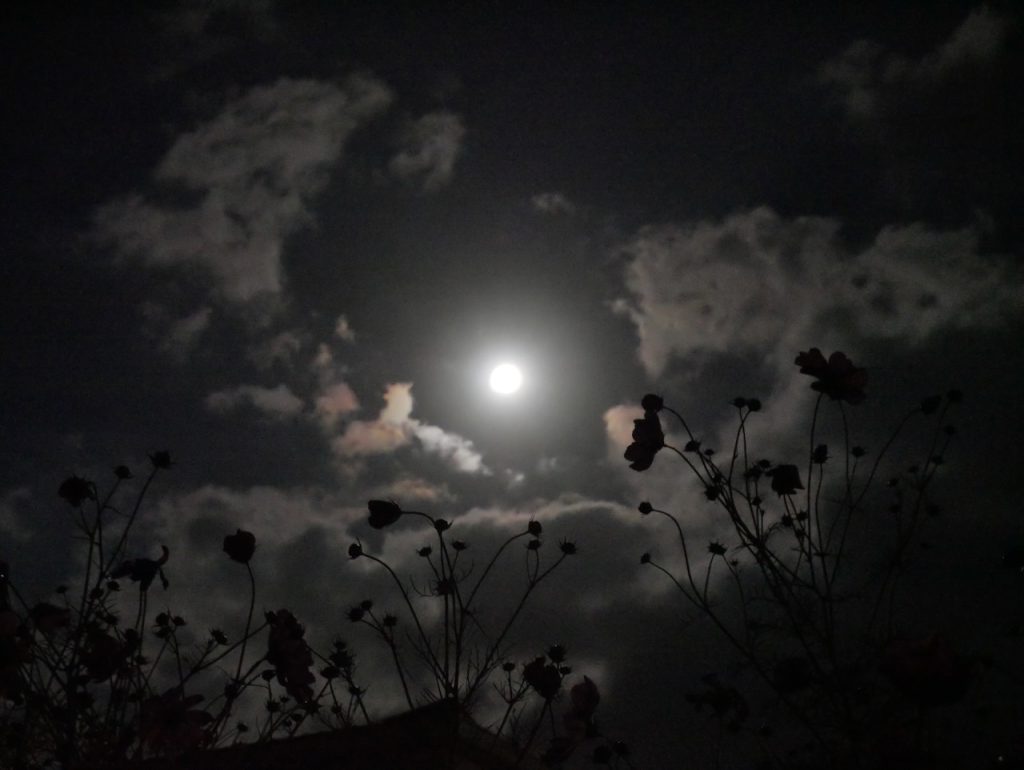
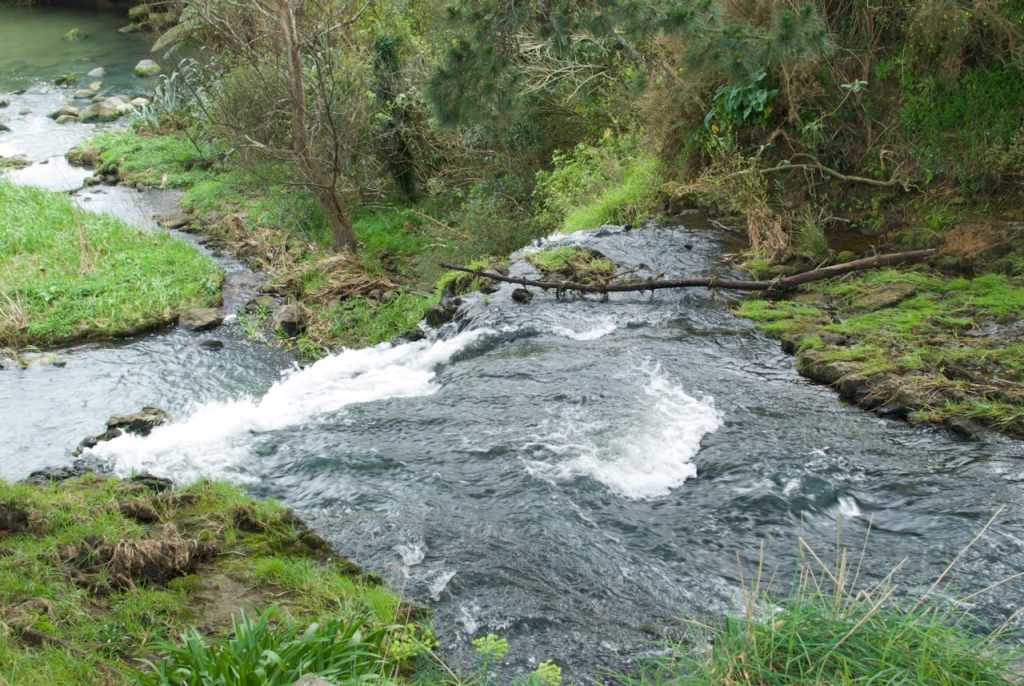
Even when only a broken bridge remains, it grants the strength to cross the water; even in darkness without moonlight, it reveals the path home to the village.
In an age where personal freedom and individual rights are loudly asserted, the atmosphere has begun to shift.
We now hear whispers of “excessive freedom” and “overextended rights,” spoken as if they were undeniable truths.
Yet this may be what is called an escape from freedom. When nothing is imposed upon us, we must discover for ourselves the means and direction in which to proceed. Are we becoming fearful of that responsibility?
Ahakoa he piriti pakaru anake kei reira, ahakoa te pō kāore he marama
Hei tā te kōrero tuatahi o te marama i te wāhanga Hapani o te Rinzai-Obaku Zen.
Ahakoa he piriti pakaru anake kei reira, ka hoatu tonu te kaha ki te whakawhiti i te wai; ahakoa te pō kāore he marama, ka whakaatu tonu i te ara hoki ki te kāinga.
Kua roa te ao e kōrero nui ana mō te herekore me ngā motika o te tangata, engari ināianei kua tīmata te āhua o te rangi ki te rerekē.
Kei te rangona ngā kōrero mō te “herekore nui rawa” me ngā “motika whānui rawa,” ā, ka rangona pēnei he kōrero pono. Heoi, tērā pea he momo rerenga tēnei i te herekore.
Ina kore he whakahau, me kimi ake tātou i ngā ara me ngā tikanga e tika ana mā tātou. Kei te mataku rānei tātou i taua kawenga?