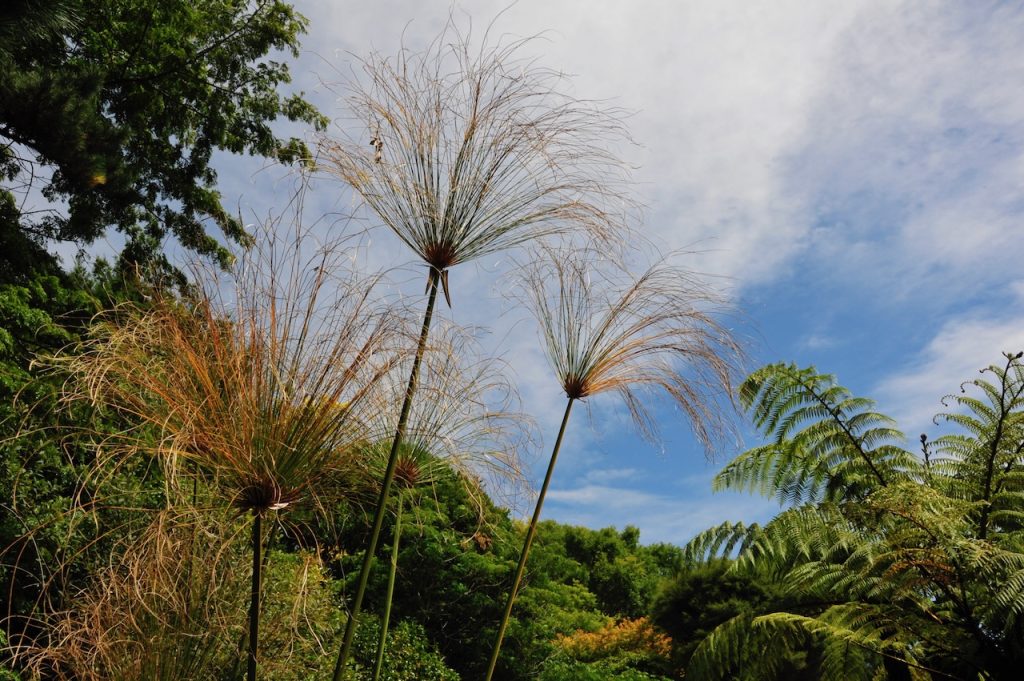
The upright bamboo does not suffer the summer heat

From this month’s second Zen maxim in Japanese site of Rinzai-Obaku Zen.

Bamboo remains lush and cool even in the heat of summer. In fact, it is a plant native to warm climates and is naturally resilient to the summer sun.

People tend to blame their situation, thinking there’s nothing they can do. But perhaps it’s not the situation that’s limiting us—perhaps it’s our own narrow perspective.

脩竹不受暑 (しゅうちくしょをうけず)

臨黄ネットの今月のふたつ目の禅語から。

青々と茂り、夏でも涼しげに見える竹。実際には、竹はもともと暑い地域の植物で、夏の暑さにも強く耐えられる性質を持っています。

人はつい、状況や環境のせいにして「どうしようもない」と思いがちです。けれど、実はそう思い込んでいるのは、自分自身の狭い了見によるものかもしれません。

Kāore te tūpapa kārere i te pāwera i te wera

Hei tā te kōrero tuarua o te marama i te wāhanga Hapani o te Rinzai-Obaku Zen.

Ka noho mātao tonu te tāwhara ahakoa te wera o te raumati. Nō ngā wāhi wera te tipu nei, ā, he manawanui ki te rāumati.

He maha ngā wā ka whakapae te tangata i te taiao, ka mea hoki kāore he huarahi kē atu. Engari, tērā pea ehara i te taiao te raru, engari ko tō tātou ake tirohanga kōpaki.

The peach and the plum say nothing, yet a path forms beneath them

From this month’s first Zen maxim in Japanese site of Rinzai-Obaku Zen.

The law of cause and effect is often understood as a formula for consequences of human actions.
But what if we saw human action instead as something small—subordinate to the vast, spontaneous workings of nature?

桃李不言下自成蹊 (とうりものいわざれども、したおのずからけいをなす)

臨黄ネットの今月の最初の禅語から。

因果の法は人間の所為に関するものとして捉えられがちですが、むしろ人間の所為の自然の営みに比しての矮小さとして理解してみてはどうでしょう。

Kāore te pēhi me te pāmu e kōrero, heoi anō ka puta he ara i raro i a rāua

Hei tā te kōrero tuatahi o te marama i te wāhanga Hapani o te Rinzai-Obaku Zen.

He maha te tangata e whakaaro ana ko te ture o te take me te hua, he ture hei whakamārama i ngā putanga o ngā mahi a te tangata.
Engari, mehemea ka mātakitaki kētia ngā mahi a te tangata hei mea nohinohi noa iho—kei raro i ngā nekeneke māori o te taiao, e rere noa ana, e whanake noa ana?

Above, vastness without end. Below, vastness without end.

From this month’s second Zen maxim in Japanese site of Rinzai-Obaku Zen.

Only by becoming one with the breath of life that fills both heaven and earth can we truly understand the meaning of “Among heaven and earth, I alone am honoured.”

頭上漫々脚下漫々 (ずじょうまんまん、きゃっかまんまん)

臨黄ネットの今月のふたつ目の禅語から。

天上天下唯我独尊とは、天にも地にも満ちる生命の息吹に自らを同化してこそ。

Runga, he whānui mutunga kore. Raro, he whānui mutunga kore.

Hei tā te kōrero tuarua o te marama i te wāhanga Hapani o te Rinzai-Obaku Zen.

Mā te hono atu ki te manawa o te ora e kī ana i te rangi me te whenua, ka mārama tātou ki te tikanga o te kōrero: “I waenganui i te rangi me te whenua, ko au anake te mea whakahirahira.”

No birds in the trees, blossoms fallen on moss

From this month’s first Zen maxim in Japanese site of Rinzai-Obaku Zen.

Though no one visits, speaks, or praises, the tree still stands.
The flower falls in silence, the moss receives it—quiet, wordless, and beautiful.

門前緑樹無啼鳥 庭下蒼苔有落花 (もんぜんのりょくじゅていちょうなく ていかのそうたいらっかあり)

臨黄ネットの今月の最初の禅語から。

誰も訪れず、語らず、称えずとも、木はそこにある。花は静かに落ち、苔はそれを受けとめ、何も言わず美しい。

Kāore he manu i ngā rākau, kua taka ngā puāwai ki te pūkohu

Hei tā te kōrero tuatahi o te marama i te wāhanga Hapani o te Rinzai-Obaku Zen.

Ahakoa kāore he tangata e toro atu, e kōrero, e whakamoemiti, e tū tonu ana te rākau. Ka taka marie te puāwai, ā, ka whiwhi hāneanea te pūkohu—kāore he kupu, he ātaahua noa iho.

Moonlight at midnight, stillness flows through green pines and bamboo

From this month’s second Zen maxim in Japanese site of Rinzai-Obaku Zen.

The awakening sought in Zen is a state of serene and refreshing clarity.

三更月照幽窓外 松竹青々碧欲流 (さんこうつきはてらすゆうそうのほか しょうちくせいせいとしてみどりながれんとほっす)

臨黄ネットの今月のふたつ目の禅語から。

禅の目指す悟りの境地とは、静謐で清々しいものである。

Ā marino te pō, e rere ana te mātao i ngā kātete me ngā pīnati

Hei tā te kōrero tuarua o te marama i te wāhanga Hapani o te Rinzai-Obaku Zen.

Ko te māramatanga e whāia ana e te Zen, he āhua mārino, he mātao whakahou i te wairua.

Across the bridge, the village food is delicious, at the other riverbank, the scent of wildflowers lingers

From this month’s first Zen maxim in Japanese site of Rinzai-Obaku Zen.

Zen enlightenment is not about arriving somewhere, but about seeing through illusion and turning your gaze to the here and now.

過橋村酒美 隔岸野花香 (はしをすぎてそんしゅびなり きしをへだててやかかんばし)

臨黄ネットの今月の最初の禅語から。

禅でいう悟りはどこかに到達することではなく、幻想を抜けて今をまなざすことです。

Ke tua o te arawhiti, he reka ngā kai o te kāinga; kei tāwāhi, ka puta te haunga Ātaahua o ngā puāwai

Hei tā te kōrero tuatahi o te marama i te wāhanga Hapani o te Rinzai-Obaku Zen.

Ehara te māramatanga Zen i te tae atu ki tētahi wāhi kē, engari ko te kite mā te kore mātakite, me te huri atu o te tirohanga ki te wā nei, ki te wā tonu.

The blue of the water brightens the whiteness of the waterbirds, and the green of the mountain kindles the scarlet of the flowers.

From this month’s second Zen maxim in Japanese site of Rinzai-Obaku Zen.

In Zen, nature is seen not merely through an appreciation of the quiet and fading beauty of things, but rather as dynamism and contrast.

江碧鳥逾白 山青花欲燃 (こうみどりにしてとりいよいよしろく やまあおくしてはなもえんとほっす)

臨黄ネットの今月のふたつめの禅語から。

禅における自然観は、よく言われる侘び寂びではなく、むしろダイナミズムとコントラストとして捉えられていると解してみました。

E whakamā noa atu ana te manu i te wai kikorangi, e hīwera ngā pua i te maunga kākāriki

Hei tā te kōrero tuarua o te marama i te wāhanga Hapani o te Rinzai-Obaku Zen.

I te Zen, ka tirohia te taiao hei nekeneke me te rerekētanga, kāore i runga anake i te aroha mō te ātaahua hūmārie, ngoikore, me te tawhito.

The moon lights the houses pale, the spring touches the mountain pink

From this month’s first Zen maxim in Japanese site of Rinzai-Obaku Zen.

The description of how the enlightenment changes how we see the world.

雲開月色家々白 春過山花処々紅 (くもひらいてげっしょくかかしろく はるすぎてさんかしょしょくれないなり)

臨黄ネットの今月の最初の禅語から。

頓悟は世界の様相を一変させると解釈しました。

Ka whakamā te marama i ngā whare, ka whakamāwhero te kōanga i te maunga

Hei tā te kōrero tuatahi o te marama i te wāhanga Hapani o te Rinzai-Obaku Zen.

Pēnā e whakaahua te māramatanga i te whakaahua taiao.

The sunshine does not determine each flower’s height

From this month’s second Zen maxim in Japanese site of Rinzai-Obaku Zen.

One of the fundamental teachings in Zen is the simple and universal law of cause and effect. However, it is often difficult to fully grasp, let alone put into practice, because its manifestations appear to be diverse and varied on the surface.

春色無高下 花枝自短長 (しゅんしょくこうげなく かしおのずからたんちょう)

臨黄ネットの今月のふたつめの禅語から。

本当はシンプルで普遍的な因果の法が腑に落ちにくい、まして実践に繋がらないのは、その現れが表面的には多種多様だからです。

E whiti ana te rā o te kōanga ki ngā mea katoa, engari ka tipu ia tipu ki tōna ake roa

Hei tā te kōrero tuarua o te marama i te wāhanga Hapani o te Rinzai-Obaku Zen.

Ko tētahi o ngā akoranga matua i te Zen ko te ture māmā, tūroa hoki o te take me te putanga. Heoi anō, he uaua te tino mārama, ā, kia whai mahi anō, nā te mea he rerekē te āhua o ōna putanga i te mata o te whenua—pērā i te rā o te kōanga e whiti ana ki ngā mea katoa, engari ka tipu ia tipu ki tōna ake roa.

Without enduring cold during winter, how fragrant would plums be?

From this month’s first Zen maxim in Japanese site of Rinzai-Obaku Zen.

Practicing the Nobel Eightfold Path is literally easier said than done, however, the harder it gets, the greater the attainment of the unshakable peace and trust in the way of things.

不是一番寒徹骨 争得梅花撲鼻香 (これいちばんかんほねにてっせずんば いかでかばいかのはなをうってかんばしきをえん)

臨黄ネットの今月の最初の禅語から。

八正道の実践は言うは易し行うは難しで実際厳しいものですが、それを乗り越えてこそ安心立命の香を得られると言うものです。

Nā te mātao o te hōtoke, ka mau tonu te mānuka i ōna āhuatanga rongoā

Hei tā te kōrero tuatahi o te marama i te wāhanga Hapani o te Rinzai-Obaku Zen.

Ko te nui ake o ngā uauatanga ka kaha ake koe.