From this month’s first Zen maxim in Japanese site of Rinzai-Obaku Zen.
On social media, people raise their own banners and speak of the times through various signs and omens. But is it truly the world that is moving? Or is it our own minds that perceive movement in it?
Kāore te hau e neke, kāore te haki e neke, ko te ngākau e neke ana
Hei tā te kōrero tuatahi o te marama i te wāhanga Hapani o te Rinzai-Obaku Zen.
I runga i ngā pae pāpāho pāpori, ka hiki ngā tāngata i ā rātou ake haki, ā, ka kōrero mō te ao i runga i ngā tohu maha. Engari, ko te ao rānei e nekeneke ana? Kāore rānei, ko ō tātou ake ngākau e kite ana i taua nekenekehanga?
From this month’s first Zen maxim in Japanese site of Rinzai-Obaku Zen.
Taro Okamoto once said, “The wall is oneself.”
Once one resolves to break through that inner wall and truly steps beyond it, one can no longer return to a way of seeing the self that builds such walls again.
Whakatūria te ngākau, wehe atu i te kāinga—ki te kore e tutuki, kaua e hoki.
Hei tā te kōrero tuatahi o te marama i te wāhanga Hapani o te Rinzai-Obaku Zen.
I kī a Tarō Okamoto, “Ko te pakitara, ko koe anō.”
Ka whakatau te tangata ki te wawahi i taua pakitara o roto, ā, ka takahi ki tua, kāore ia e hoki anō ki te hanga i aua pakitara i roto i tōna mōhiotanga ki a ia anō.
Kāore he mea—he puna kāore e mimiti; he putiputi, he marama, he whare teitei kei reira
Hei tā te kōrero tuarua o te marama i te wāhanga Hapani o te Rinzai-Obaku Zen.
He nui ngā mea e hiahia ana te tangata, engari tērā pea ko te hiahia nui rawa ko tētahi āpōpō harikoa. Heoi anō, kāore e taea e te tangata te whakatakoto i te āpōpō kia rite ki tōna hiahia.
Ia wā ka whakaarohia te āpōpō, mēnā kāore e tutuki pēnei i te whakaaro, ka puta te pōuri me te kore e rata.
Engari, mēnā ka āhei tātou ki te tino rongo i taua āheinga—te whakaaro ki te āpōpō— tērā pea ka kitea, kei roto kē i reira tētahi mātauranga nui, kāore e mimiti.
From this month’s first Zen maxim in Japanese site of Rinzai-Obaku Zen.
There are what we might call existential questions. Why do people live? Why can people not stop fighting?
Even if we ask such questions to a renowned teacher, a well-regarded book, or even an AI said to become wiser than humans, no matter how convincing the answers may sound, we may understand them with our minds, yet rarely do they settle deeply within our hearts.
In truth, questions like these have no final answers that others can give us. We can only clear the dust from the eye of our own mind and come to our own understanding.
Yet even so— why did we ask that question in the first place?
He puehu i te whatu—ka marara iho ngā putiputi i te rangi kau
Hei tā te kōrero tuatahi o te marama i te wāhanga Hapani o te Rinzai-Obaku Zen.
He pātai ā-tūtanga ētahi. He aha te take e ora ai te tangata? He aha hoki te take e kore ai te tangata e mutu te whawhai?
Ahakoa ka ui atu tātou ki tētahi kaiako rongonui, ki tētahi pukapuka e tino whakanuia ana, tae noa ki tētahi AI e kīia ana ka nui ake tōna māramatanga i tō te tangata, ahakoa he pēhea te whai kiko o ngā whakautu, tērā pea ka mārama ki te hinengaro, engari kāore e tino tau ki te ngākau.
Ko te mea pono, kāore he whakautu whakamutunga ka taea e tētahi atu te tuku mō ēnei pātai. Me whakakore kē e tātou te puehu i te whatu o tō tātou ake hinengaro, kia puta ai te māramatanga mā tātou anō.
Heoi anō— he aha rā i pātai ai tātou i taua pātai i te tuatahi?
From this month’s second Zen maxim in Japanese site of Rinzai-Obaku Zen.
In Western thought, time is often seen as moving in a single direction — from past to future — like an opportunity that never returns once missed. Zen, however, views time differently. Rather than a straight line, it is something that continually appears and renews itself.
The verse says that the garden tree does not know people have gone; when spring comes, it simply blooms again. What returns is not the past, but the living activity of spring itself. Human minds count loss and change, yet nature only follows its conditions.
Seen this way, personal attachments and achievements become small. Spring comes, and flowers bloom — simply as they are.
Kāore te rākau e mōhio kua wehe te tangata; ka hoki mai te kōanga, ka puāwai anō
Hei tā te kōrero tuarua o te marama i te wāhanga Hapani o te Rinzai-Obaku Zen.
I roto i ngā whakaaro o te ao Pākehā, ka whakaarohia te wā he rārangi kotahi e haere whakamua ana. Ka ngaro te wā, kāore e hoki mai. Engari, i te tirohanga Zen, ehara te wā i te rārangi tika, engari he mea e hoki mai ana, e puta anō ana.
E kī ana te kōrero, kāore te rākau o te māra e mōhio kua wehe te tangata; ka tae mai te kōanga, ka puāwai anō ngā putiputi. Ehara tēnei i te hokinga mai o mua, engari ko te putanga tonutanga o te kōanga.
Ka tatau te tangata i te ngaronga me te panonitanga, engari ka whai noa te taiao i tōna ake ara. Ka tae mai te kōanga, ā, ka puāwai noa iho.
From this month’s first Zen maxim in Japanese site of Rinzai-Obaku Zen.
Now that Japan’s general election has come to an end, the clamour of voices that filled the campaign period has begun to settle. We may have found ourselves agreeing with some opinions and resisting others, and the results themselves may evoke many different feelings. The same can be said of elections in any country. Yet beyond elections, are we truly listening to what others are trying to express? Can we sense the living breath of the person behind the words they have put forward?
He pai ake te whakarongo a te ngākau i te whakarongo a te taringai ana ngā puāwai ume ki te huka
Hei tā te kōrero tuatahi o te marama i te wāhanga Hapani o te Rinzai-Obaku Zen.
Kua mutu ināianei te kōwhiringa pōti whānui o Hapani, ā, kua tau haere ngā reo maha i rangona i te wā o te pakanga pōti. Tērā pea i whakaae tātou ki ētahi whakaaro, i whakahē rānei i ētahi atu, ā, he maha hoki ngā kare ā-roto ka ara ake i runga i ngā hua. He āhua rite tēnei ki ngā pōtitanga o ngā whenua katoa. Engari ehara tēnei i te kōrero mō te pōti anake. E whakarongo pono ana rānei tātou ki ngā whakaaro o ētahi atu? Ka taea rānei e tātou te rongo i te hā ora o te tangata e ora tonu ana i roto i ngā kupu kua whakapuakina e ia?
From this month’s second Zen maxim in Japanese site of Rinzai-Obaku Zen.
In today’s SNS age, we can connect with people all over the world — yet we often find ourselves drawn to trending topics and surrounded by those who share similar opinions. Even so, we already have the means to stay connected while remaining ourselves. That is why it feels important to value our own place of standing, even as we move within the flow.
Hei tā te kōrero tuarua o te marama i te wāhanga Hapani o te Rinzai-Obaku Zen.
I tēnei ao pāpāho pāpori, ka taea e tātou te hono ki te tangata o ngā wāhi katoa o te ao — heoi anō, he maha ngā wā ka whai noa tātou i ngā kaupapa rongonui, ka noho ki waenga i te hunga e rite ana ngā whakaaro. Ahakoa tēnei, kei a tātou kē ngā ara hei noho hono tonu, me te pupuri i tō tātou ake tuakiri. Nā reira, he mea nui kia tiaki i tō tātou ake tūrangawaewae, ahakoa e rere ana tātou i roto i te au.
From this month’s first Zen maxim in Japanese site of Rinzai-Obaku Zen.
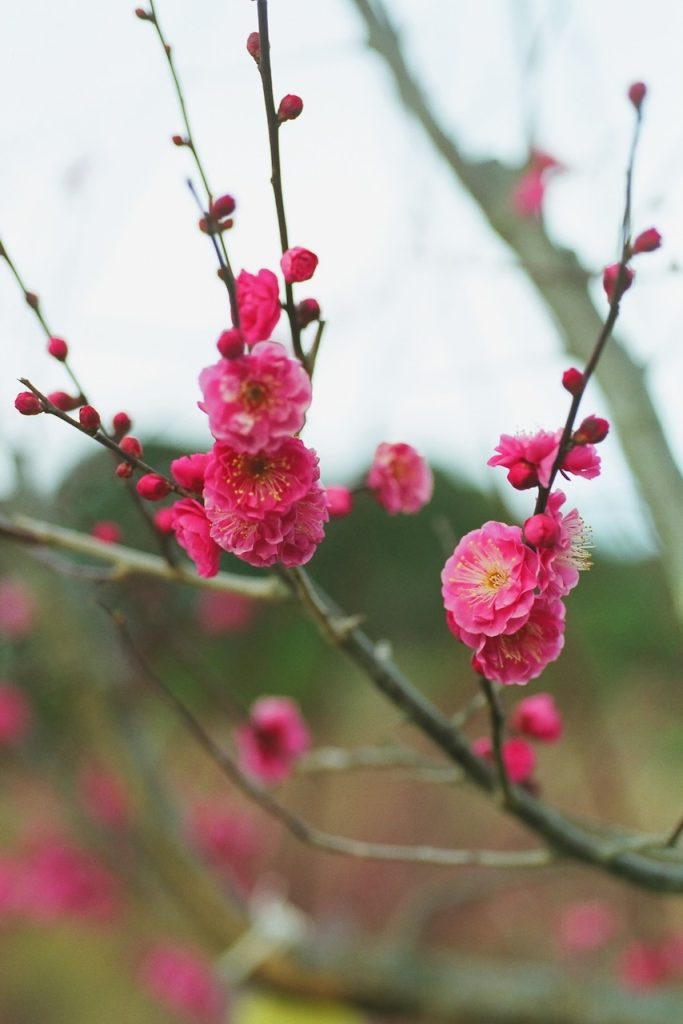
Although cherry blossoms are now seen as Japan’s representative flower, it was once the plum that was more highly cherished. Rather than cherry trees that bloom once spring has fully arrived, people found the first signs of spring in plum blossoms opening quietly while the cold still lingered. In uncertain times like these, it feels important to value not visible outcomes, but the subtle signs of new life beginning to stir.
Hei tā te kōrero tuatahi o te marama i te wāhanga Hapani o te Rinzai-Obaku Zen.
Ahakoa e kīia ana ināianei ko te sakura te putiputi māngai o Hapani, i mua ko te ume te mea i tino whakanuia. Ehara i te mea i tatari rātou kia tau pai mai te kōanga pēnei i te sakura, engari i kitea kē e te tangata ngā tohu tuatahi o te kōanga i roto i ngā puāwai ume e puare māhaki ana i te makariri tonu. I ēnei wā rangirua, he mea nui kia poipoi i te māramatanga ki ngā tohu ngū o te oranga e tīmata ana te oho.
From this month’s second Zen maxim in Japanese site of Rinzai-Obaku Zen.
A laywoman who had long provided a hermitage and supported the practice of a Zen monk decided to test the fruits of his training. She instructed a young woman who served meals to embrace the monk and ask him how he felt at that moment.
The monk replied with the words of the Zen phrase that forms the title: “Like a withered tree leaning against a cold rock, feeling no warmth throughout the winter.”
Hearing this, the laywoman drove the monk away and burned down the hermitage, so the story goes.
No matter how closely one believes oneself to have approached the truth of the world, to ignore the undeniable emotions that are part of being human is to return everything to square one. In this attitude, we may also glimpse the same root that leads to the unchecked excesses of science and technology when reason alone is given priority.
Pērā i te rākau kua maroke e whakawhirinaki ana ki te toka makariri
Hei tā te kōrero tuarua o te marama i te wāhanga Hapani o te Rinzai-Obaku Zen.
I tētahi wā, i tautoko tētahi wahine nō te hunga tautoko i tētahi moke Zen, ā, i hoatu e ia he whare noho hei āwhina i tana whakangungu mō ngā tau maha. I tētahi rā, ka hiahia ia ki te whakamātau i ngā hua o taua whakangungu. Ka whakahau ia i tētahi wahine rangatahi e mahi kai ana kia awhi i te moke, ā, kia pātai atu ki a ia he aha ōna kare ā-roto i taua wā tonu.
Ko te whakautu a te moke he kōrero nō te whakataukī Zen o te taitara: “Pērā i te rākau kua maroke e whakawhirinaki ana ki te toka makariri, kāore he mahana e rangona ana i te roanga o te takurua.”
Ka rangona tēnei e te wahine, ka panaia atu te moke, ā, ka tahuna hoki te whare noho, e ai ki te kōrero tuku iho.
Ahakoa te tata o te tangata ki ngā pono o te ao e whakapono ai ia, mēnā ka whakakāhoretia ngā kare ā-roto e kore e taea te whakakore i te tangata, ka hoki anō ngā mea katoa ki te tīmatanga. I konei hoki ka kitea te pūtake e rite ana ki te ngaronga o te ārai, ina whakanuia rawatia te whakaaro tōtika anake, pēnei i ngā mahi hē o te pūtaiao me te hangarau.