
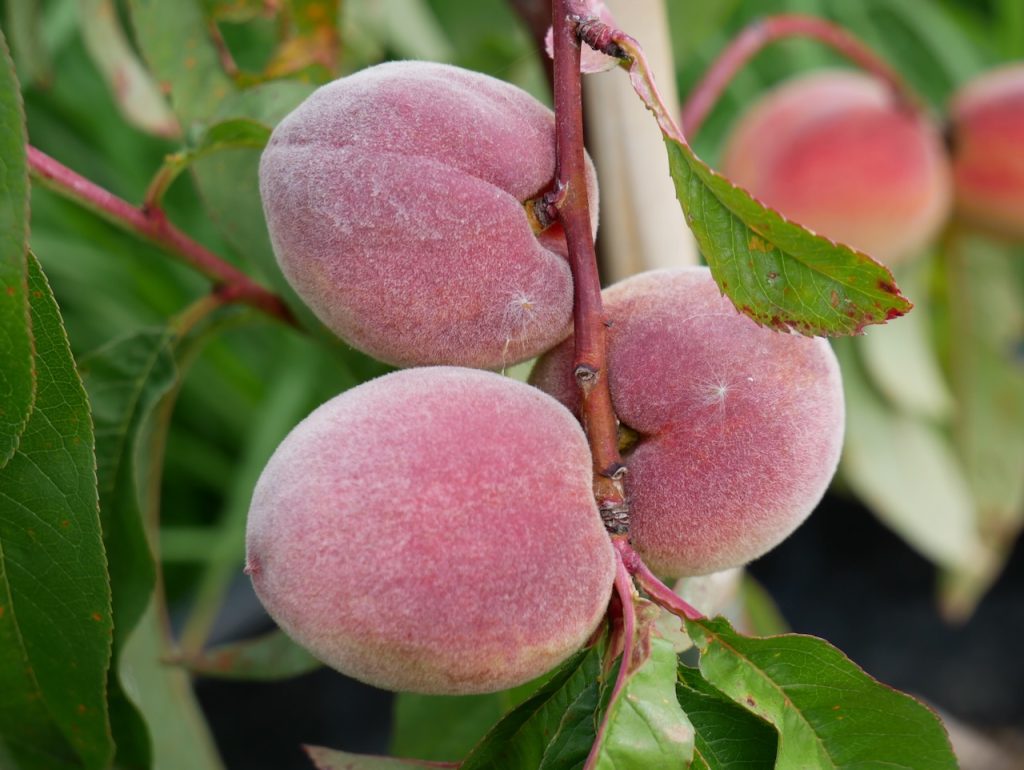
From this month’s first Zen maxim in Japanese site of Rinzai-Obaku Zen.
The law of cause and effect is often understood as a formula for consequences of human actions.
But what if we saw human action instead as something small—subordinate to the vast, spontaneous workings of nature?
桃李不言下自成蹊 (とうりものいわざれども、したおのずからけいをなす)
臨黄ネットの今月の最初の禅語から。
因果の法は人間の所為に関するものとして捉えられがちですが、むしろ人間の所為の自然の営みに比しての矮小さとして理解してみてはどうでしょう。
Kāore te pēhi me te pāmu e kōrero, heoi anō ka puta he ara i raro i a rāua
Hei tā te kōrero tuatahi o te marama i te wāhanga Hapani o te Rinzai-Obaku Zen.
He maha te tangata e whakaaro ana ko te ture o te take me te hua, he ture hei whakamārama i ngā putanga o ngā mahi a te tangata.
Engari, mehemea ka mātakitaki kētia ngā mahi a te tangata hei mea nohinohi noa iho—kei raro i ngā nekeneke māori o te taiao, e rere noa ana, e whanake noa ana?