From this month’s second Zen maxim in Japanese site of Rinzai-Obaku Zen.
In Western thought, time is often seen as moving in a single direction — from past to future — like an opportunity that never returns once missed.
Zen, however, views time differently. Rather than a straight line, it is something that continually appears and renews itself.
The verse says that the garden tree does not know people have gone; when spring comes, it simply blooms again. What returns is not the past, but the living activity of spring itself. Human minds count loss and change, yet nature only follows its conditions.
Seen this way, personal attachments and achievements become small.
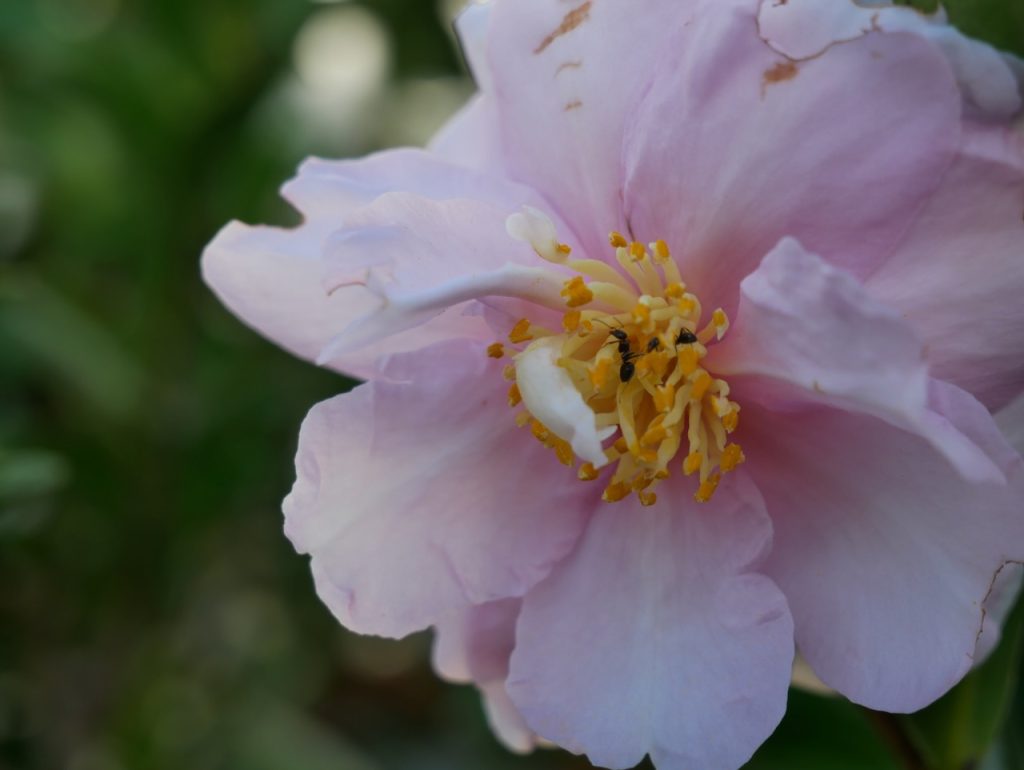
Spring comes, and flowers bloom — simply as they are.
庭樹不知人去尽 春来還発旧時花 (ていじゅはしらずひとさりつくすを、しゅんらいまたひらくきゅうじのはな)
臨黄ネットの今月のふたつ目の禅語から。
西洋の思想では、チャンスには後ろ髪がないと言われるように、時間は過去から未来へと一方向に進むものとして捉えられがちです。失われた機会は戻らず、歴史は前へ進み続けるという感覚です。
それに対して東洋、特に禅の教えにおいては、時間あるいは「時」は直線ではなく、繰り返し現れるものとして感じ取られます。その循環は、個人の生老病死だけでなく、集団や国家の栄枯盛衰、さらには人類の存在さえ超えた、永劫の営みとして意識されます。
「庭樹不知人去尽 春来還発旧時花」は、その感覚を静かに示しています。人は去り、時代は移り変わったと思っても、庭の木はそれを知りません。ただ春が来れば、再び花を咲かせます。ここで示されているのは、過去が戻るということではなく、「春という働き」が絶えず現れ続けているという事実です。
去来や盛衰を数えているのは人の心であり、自然はただ因縁に従って現れ、また現れる。そう見つめたとき、個人の成功や喪失への執着が、いかに小さなものであるかに気づかされます。
春は誰のためでもなく、ただ来て、ただ咲く。
その無心の営みの中に、禅が見る時間の姿があります。
Kāore te rākau e mōhio kua wehe te tangata; ka hoki mai te kōanga, ka puāwai anō
Hei tā te kōrero tuarua o te marama i te wāhanga Hapani o te Rinzai-Obaku Zen.
I roto i ngā whakaaro o te ao Pākehā, ka whakaarohia te wā he rārangi kotahi e haere whakamua ana. Ka ngaro te wā, kāore e hoki mai.
Engari, i te tirohanga Zen, ehara te wā i te rārangi tika, engari he mea e hoki mai ana, e puta anō ana.
E kī ana te kōrero, kāore te rākau o te māra e mōhio kua wehe te tangata; ka tae mai te kōanga, ka puāwai anō ngā putiputi. Ehara tēnei i te hokinga mai o mua, engari ko te putanga tonutanga o te kōanga.
Ka tatau te tangata i te ngaronga me te panonitanga, engari ka whai noa te taiao i tōna ake ara.
Ka tae mai te kōanga, ā, ka puāwai noa iho.