From this month’s second Zen maxim in Japanese site of Rinzai-Obaku Zen.
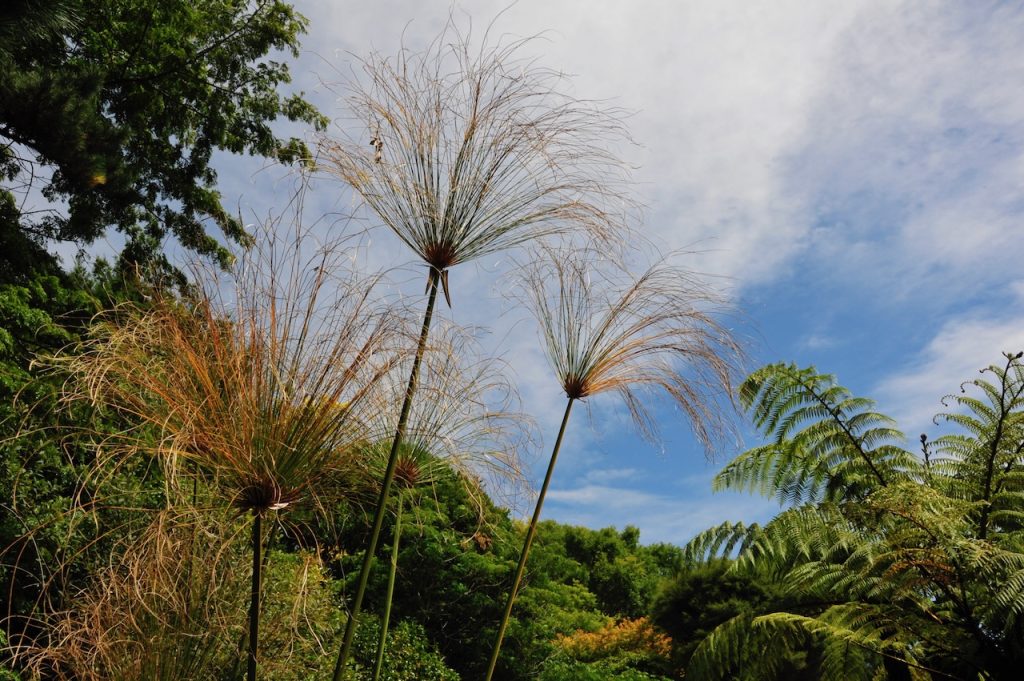
Bamboo remains lush and cool even in the heat of summer. In fact, it is a plant native to warm climates and is naturally resilient to the summer sun.
People tend to blame their situation, thinking there’s nothing they can do. But perhaps it’s not the situation that’s limiting us—perhaps it’s our own narrow perspective.
脩竹不受暑 (しゅうちくしょをうけず)
臨黄ネットの今月のふたつ目の禅語から。
青々と茂り、夏でも涼しげに見える竹。実際には、竹はもともと暑い地域の植物で、夏の暑さにも強く耐えられる性質を持っています。
人はつい、状況や環境のせいにして「どうしようもない」と思いがちです。けれど、実はそう思い込んでいるのは、自分自身の狭い了見によるものかもしれません。
Kāore te tūpapa kārere i te pāwera i te wera
Hei tā te kōrero tuarua o te marama i te wāhanga Hapani o te Rinzai-Obaku Zen.
Ka noho mātao tonu te tāwhara ahakoa te wera o te raumati. Nō ngā wāhi wera te tipu nei, ā, he manawanui ki te rāumati.
He maha ngā wā ka whakapae te tangata i te taiao, ka mea hoki kāore he huarahi kē atu. Engari, tērā pea ehara i te taiao te raru, engari ko tō tātou ake tirohanga kōpaki.