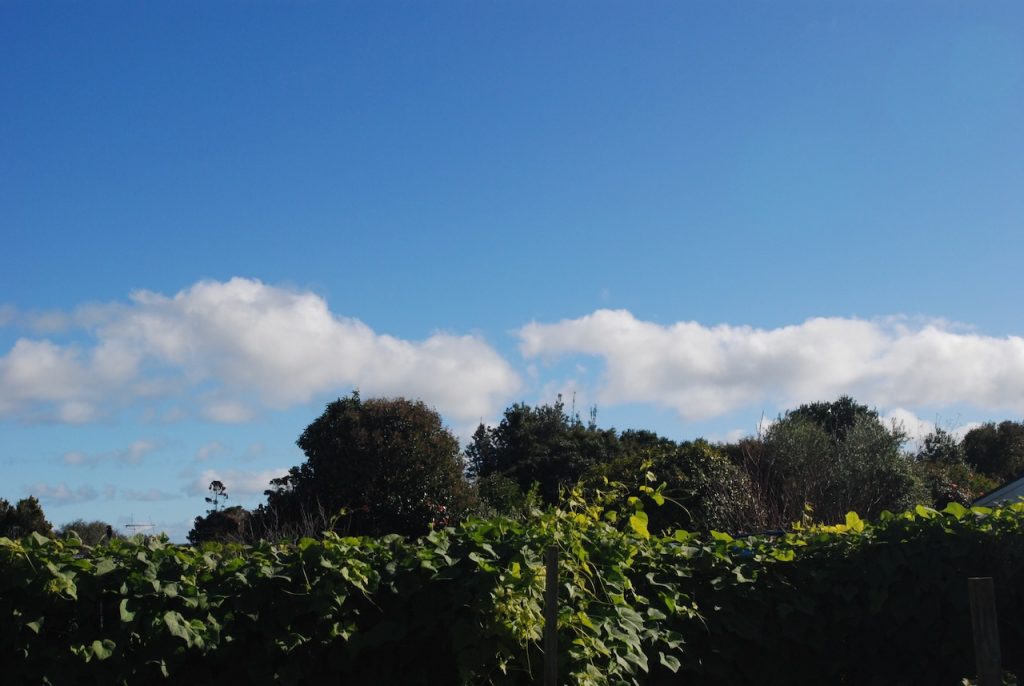
Above, vastness without end. Below, vastness without end.

From this month’s second Zen maxim in Japanese site of Rinzai-Obaku Zen.

Only by becoming one with the breath of life that fills both heaven and earth can we truly understand the meaning of “Among heaven and earth, I alone am honoured.”

頭上漫々脚下漫々 (ずじょうまんまん、きゃっかまんまん)

臨黄ネットの今月のふたつ目の禅語から。

天上天下唯我独尊とは、天にも地にも満ちる生命の息吹に自らを同化してこそ。

Runga, he whānui mutunga kore. Raro, he whānui mutunga kore.

Hei tā te kōrero tuarua o te marama i te wāhanga Hapani o te Rinzai-Obaku Zen.

Mā te hono atu ki te manawa o te ora e kī ana i te rangi me te whenua, ka mārama tātou ki te tikanga o te kōrero: “I waenganui i te rangi me te whenua, ko au anake te mea whakahirahira.”
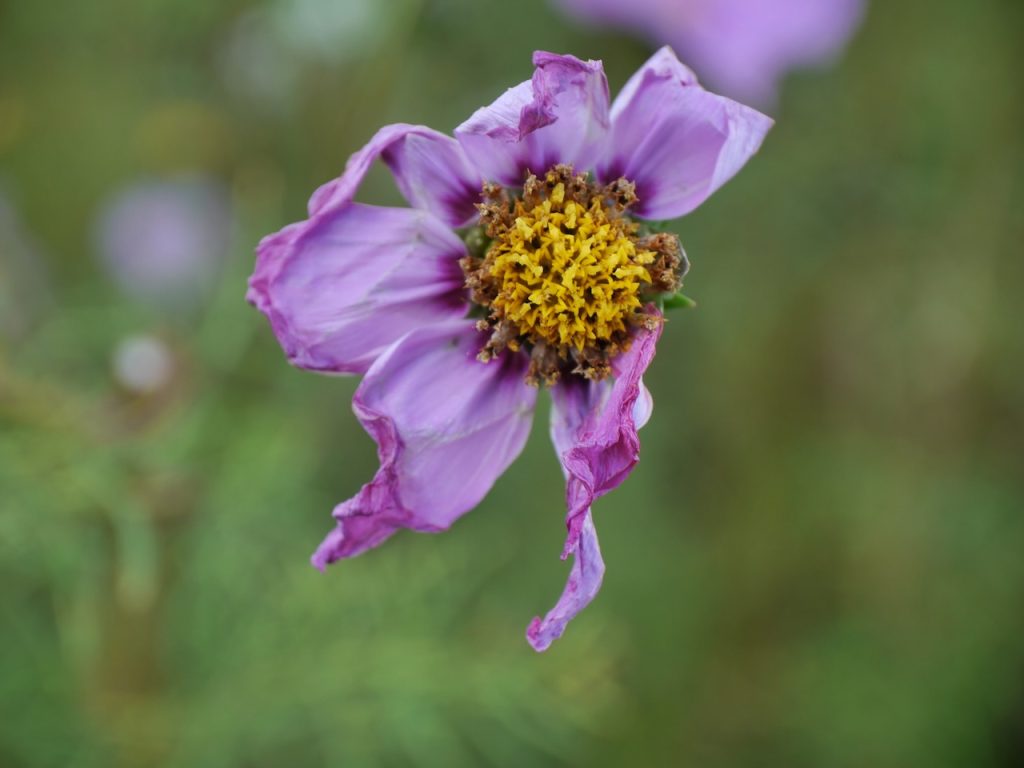
No birds in the trees, blossoms fallen on moss

From this month’s first Zen maxim in Japanese site of Rinzai-Obaku Zen.

Though no one visits, speaks, or praises, the tree still stands.
The flower falls in silence, the moss receives it—quiet, wordless, and beautiful.

門前緑樹無啼鳥 庭下蒼苔有落花 (もんぜんのりょくじゅていちょうなく ていかのそうたいらっかあり)

臨黄ネットの今月の最初の禅語から。

誰も訪れず、語らず、称えずとも、木はそこにある。花は静かに落ち、苔はそれを受けとめ、何も言わず美しい。

Kāore he manu i ngā rākau, kua taka ngā puāwai ki te pūkohu

Hei tā te kōrero tuatahi o te marama i te wāhanga Hapani o te Rinzai-Obaku Zen.

Ahakoa kāore he tangata e toro atu, e kōrero, e whakamoemiti, e tū tonu ana te rākau. Ka taka marie te puāwai, ā, ka whiwhi hāneanea te pūkohu—kāore he kupu, he ātaahua noa iho.